

3 – Recovery Tips For Middle-Aged Women

As women grow older, their bodies also have some significant changes which will also take place. As the estrogen levels decline, recovery time will tend to increase from any form of exertion or injury. Added to this as women grow older, will be a decline in joint health and in tissue repair. There is an oveall increase in risk for bone damage, joint and tissue mishaps.
If some form of injury occurs, there are a few tips that women can use which will help. These tips can empower you to continue to do your dance class or yoga and pilates routine.
Tip 1: Prioritize Rest and Active Recovery Techniques
Rest sounds easy, but this is not just sitting still. For aging women, smart rest fights the urge to jump back up too soon, and to avoid the boom-and-bust cycle that leads to even more workout injuries. True recovery builds you up gently, and its like nursing a plant back to green.
Incorporating Low-Impact Mobility Exercises

If you can, then try swimming to ease sore joints without adding any extra pounds. Another low impact movement is Tai-chi and these flows keep you moving soft, cutting tissue risks. These boost blood flow, and are key for healing as we age.
Start small, maybe do 10-minutes of seated stretches each day. Focus on the hurt area, but stop at any pain. Build up as your range grows pain-free.
The Role of Sleep in Tissue Repair
Sleep kicks off growth hormones that fix muscles overnight. Middle-aged and senior women, tend to toss from hot flashes or stress and worry and other forms of fatigue. It is this form of poor rest, that drags out the recovery process by days and even into weeks.
The ideal is to aim for about 7 – 9 hours of restful sleep. Wind down with a book or dim lights, reduce the distractions of devices and pings and notifications. Some persons reommend the use of white noise to block distractions. Better sleep means a faster bounce-back from that knee pull.
Monitoring Progress with a Recovery Journal
A simple notebook tracks your wins and slips, this is also a good form of motivation. Note pain, what you did, and how you felt. Spot patterns, for example were there more aches after a skipped rest?
Rate pain from 1 to 10 daily – and is it linked to sleep or food or stress? Adjust your practise based on what works, and this puts you in charge, turning guesswork into real steps.
Tip 2: Fuel Your Body with Targeted Nutrition
Food isn’t just for your fuel – it is also medicine for mending. An aging body, need extras for bones and joints during workout recovery. Try skipping some of those fancy pills, and focus on plates and foods that heal. Think of nutrients as bricks rebuilding your strength.
Anti-Inflammatory Foods to Reduce Swelling

We’ve all heard about some of the benefits of Omega-3’s. Omega-3’s in salmon fight the puffiness that slows you down. Walnuts also pack the same punch in snacks. Use those key foods wisely to target specific issues. Consider if you can, eating fatty fish twice a week, or try mixing turmeric into your next smoothie.
This will amp up the good side of things.
Bone and Muscle Support Nutrients
Calcium in your diet, guards against breaks, especially with osteoporosis lurking. Vitamin D helps it stick, while protein fights against muscle fade. Women over 50 need just about 1,200 mg calcium daily. Lets start by stirring some Greek Yogurt into breakfast oats, or, grab some fortified almond milk. These give steady protein without tummy upset.
Hydration Strategies for Optimal Healing
Water, water, water – Hydrate, hydrate, hydrate. Dehydrated and dry cells heal slowly, and meds can worsen it. Water carries nutrients to fix trouble spots. Be minded that dehydration hits women harder post-menopause. Drink 8-10 glasses of water a day, you can add coconut water for natural salts and electrolyets on movement days. It all helsp in a speedier recovery from sprains.
Tip 3: Build a Gradual Return-to-Exercise Plan
Rushing back into your fitness routine spells trouble for those aging knees or backs. You need to have a slow ramp-up to get your body back into the groove. Like climbing stairs one at a time, this plan gets you to the top safe.
Starting with Modified Strength Training
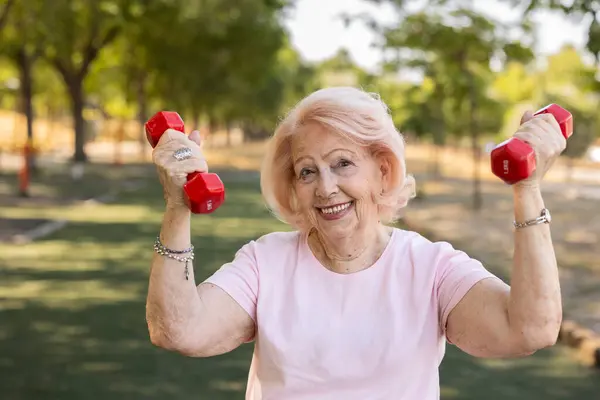
Use bands for pulls that match your level.
Bodyweight squats tweak for knee woes, building core hold. Skip heavy weights at first. Do 2 – 3 sets of 8 – 10 reps, twice a week.
Wait two pain-free weeks before upping. This strengthens without snap – back injuries.
Incorporating Balance and Flexibility Work
Falls spike after hurts, so steady your stance. Pilates flows stretch and hold you firm. Balance boards challenge nerves to fire right. Spend 15 minutes on single-leg stands daily. Move to wobbly spots as you gain. It sharpens control, key for yoga or runs.
Setting Realistic Milestones and Patience
Big goals frustrate while small ones cheer. Start at half your old speed. Remember to track weekly to see growth. Plan four weeks with check-ins. Note better bend or less ache. Pat yourself for steps forward. Patience turns set-backs into steady wins.
Conclusion
Recovering from a workout injury takes rest with smart moves, food that heals, and a slow return to sweat. These three tips help tackle slow mends, from hormone dips. Listen to your body each day. Feed it right with anti-swell eats and bone boosters. Ease back in to stay strong long-term. For added value have your trainer and fitness professional work with you on this, as you keep building your strongest chapter in life.