
Pain Relief – Using An Alternative Method

Acupuncture vs. Dry Needling: Unraveling the Key Differences for Pain Relief
Just imagine that you are dealing with nagging back pain, and one of your friends swears by needle therapy, and its benefits for you. However you then try to decide which technique you should try — Acupuncture or Dry Needling? Both use thin needles to ease the discomfort, but yet the two remedies come from different worlds. One draws from the ancient healing arts, the other from modern body mechanics. This mix-up at times confuses many folks who are seeking relief using an alternative method without drugs or surgery.
Just for the record they are not fancy words for the same thing, and knowing the real difference will assist you in selecting the better option for your pain needs. Here we highlight the philosophy and methods of both and how you can go about choosing your treatment. Let’s take a look on the perspective of how each targets pain and why that matters on your health journey.
Acupuncture
Acupuncture: The Foundation of Traditional Chinese Medicine (TCM)

Acupuncture started in China over 2,000 years ago. Healers used it to treat all sorts of issues, from headaches to fatigue. At its heart, this practice balances Qi, your body’s vital energy. Think of Qi as a river flowing through meridians, invisible paths that connect organs and limbs.
If the flow gets blocked, illness or pain follows. Acupuncture practitioners look at the whole you – your mood, sleep, and even tongue color. They don’t just poke the sore spot. They aim to fix the root cause. For example, knee pain might link to a liver issue in TCM terms. This big-picture view sets acupuncture apart from quick fixes.
Studies show it helps millions worldwide. The World Health Organization lists over 100 conditions it can address. Rooted in balance, it’s more than pain relief, it’s about harmony.
Dry Needling
Dry Needling: A Modern Approach Rooted in Western Science
Dry needling popped up in the 1940s, thanks to docs like Janet Travell. She mapped out trigger points, those tight knots in muscles that shoot pain elsewhere. This technique grew from Western medicine, focusing on anatomy and nerves.
No energy flows here, just hard science on how muscles cramp and refer pain. For example, if your shoulder hurts from a neck knot, then dry needling hits that spot to loosen it. It’s not about the whole body but the exact trouble area.
Research backs it for sports injuries and chronic aches. A 2023 review in the Journal of Orthopaedic & Sports Physical Therapy found it cuts pain by up to 50% in many cases. This targeted style appeals to athletes who need fast recovery.
Treatment Goals and Application Techniques
What Each Discipline Aims to Achieve

- Acupuncture seeks total well-being. It tackles pain but also boosts digestion, calms nerves, and supports sleep. You might get relief from migraines or IBS alongside back tension. The goal? Restore balance so your body heals itself.
- Dry Needling zeros in on muscle woes. It releases tight bands that limit movement or cause headaches from jaw clenches. Perfect for runners with calf strains or desk workers with neck stiffness. It won’t fix your stress levels, but it can make daily tasks easier.
Both ease pain, yet acupuncture spreads benefits wide. Dry needling drills down to the source. Choose based on if your issue feels whole-body or pinpoint.
The Needling Procedure: Insertion Depth and Technique Variations
- In acupuncture, needles go in shallow, often just under the skin. You lie still as the practitioner taps them lightly or twists for effect. They stay put for 20 minutes or so, letting energy shift. It’s calm, like a quiet meditation with tiny pricks.
- Dry needling dives deeper, right into the muscle belly. The therapist moves the needle fast, called pistoning, to spark a twitch—a quick jump that signals release. Sessions last 15-30 minutes, but it’s more active. No long waits; it’s in and out.
- Deeper pokes in dry needling can feel intense at first. Acupuncture’s gentle twirls aim for flow, not contraction. These steps highlight how each therapy works the body differently.
Needle Types and Material Usage
Needle Construction and Selection
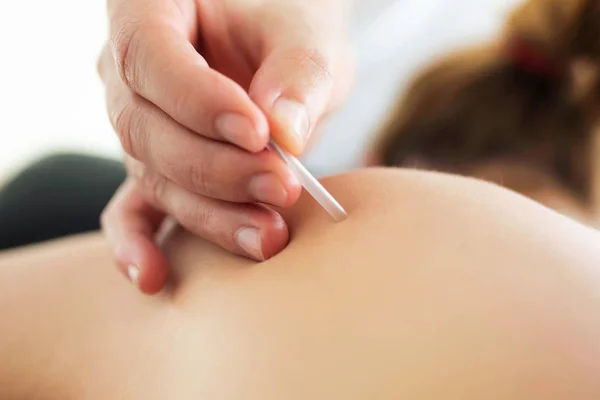
Both use solid, sterile stainless steel needles.
- Acupuncture ones are super thin, 32 to 36 gauge, like cat whiskers. Lengths run from half-inch to three inches, picked for body spots. You might see 10-20 needles in a session, spread out.
- Dry needling favors slightly thicker 25-30 gauge for grip in tough tissue. They’re longer too, up to four inches for deep hips. Only a few go in, aimed at knots. Solid build handles the twist without bending.
Selection fits the job: fine for flow, sturdy for muscle work. Always single-use to prevent infection.
Is It Still “Dry” If Something Else Is Used?
“Dry” means no liquids injected – just the needle’s mechanical action. No numbing shots or meds, unlike old trigger point injections. This keeps it simple and low-risk.
Wet needling, or injection therapy, adds stuff like lidocaine. Docs use it for inflamed spots. Dry skips that for pure release. Confused? Stick to “dry” for non-drug muscle relief.
This term clears up myths. It’s not watered-down acupuncture; it’s a distinct tool.
Patient Experience and Expected Sensations
What to Expect During an Acupuncture Session
You arrive, chat about symptoms, then settle on a table. Needles slide in with a pinch, like a bug bite. Soon, you feel De Qi – a warm buzz or ache that fades to peace. Lights dim, soft music plays. You relax for 20 minutes, maybe nap. Post-session, energy lifts; pain eases over days. Some report better mood too. It’s soothing, not scary. First-timers often leave calmer than they came.
What to Expect During a Dry Needling Session
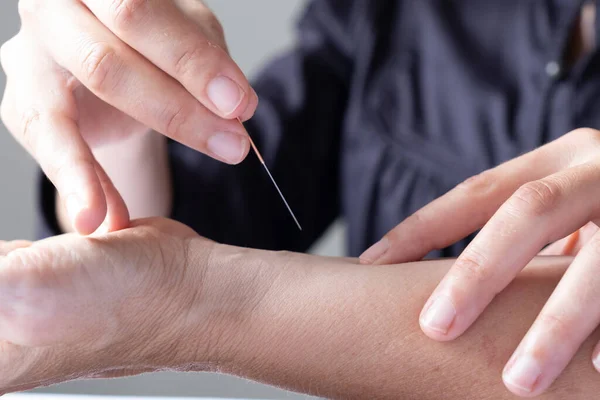
Prep involves marking the tight spot. The needle hits, and zap – a twitch ripples through. It stings sharp, then melts into relief. Like cracking a stiff neck, but deeper. Your therapist works a few areas, then you’re done. Walk out tender, like after a hard workout. Ice helps; full ease comes in 24-48 hours. Not for the faint-hearted, but fans say the payoff beats the poke.
Choosing Your Health Goals
Acupuncture and Dry Needling both fight pain with needles, but their paths diverge big time. Acupuncture weaves ancient wisdom for body-wide harmony, treating Qi blocks that affect everything. Dry needling, born from science, lasers in on muscle knots for quick, local fixes.
If stress, gut issues, or vague aches bug you, try acupuncture for that full reset. Got a pulled hamstring or desk hunch? Dry needling targets it head-on. Neither’s a cure-all – mix with exercise or diet for best results.
Talk to a licensed profession to match your needs. Whether holistic or hands-on, the right choice brings real relief.