

Quercetin: The Natural Anti-Oxidant
The Ultimate Bioflavonoid for Peak Fitness and Enhanced Wellness
Ever pushed through a tough workout only to feel sore for days? Then there is the nagging inflammation and also the slow recovery that can derail your gains. Guess what? Quercetin, which is a natural compound found in everyday foods, can step in as a powerful ally to fight back.
This bioflavonoid helps your body handle the stress from exercise and even that from daily life. More and more people within the fitness communities, are now turning to it for better performance and also for lasting health. Maybe, you too can explore how quercetin fits into your routine.
Understanding Quercetin
Quercetin belongs to a group of plant pigments known as flavonoids. Plants use it to protect against threats, like bugs and UV rays. When we consume this flavonoid, it shines as an antioxidant that shields our cells from damage. This is a chemical that your body will recognize, from fruits and vegetables. The structure of this supplement includes rings of atoms which give it a quite strong antioxidant ability. We all know of the benefits found in Vitamin C. Quercetin packs in twice the punch, in off-setting harmful molecules.
Sources
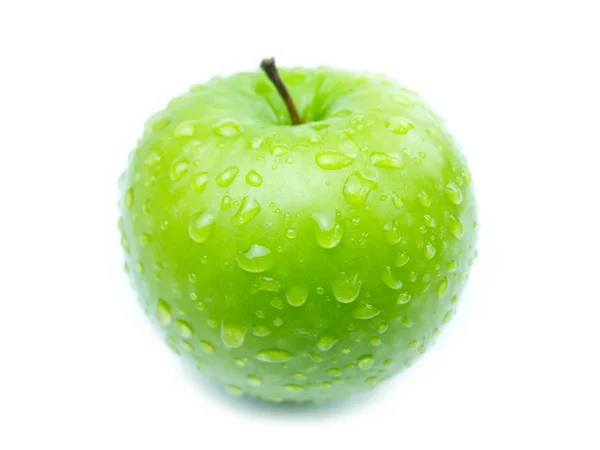
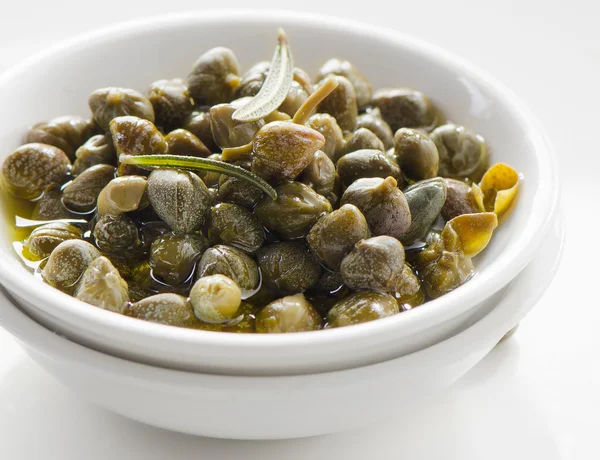
This flavonoid called quercetin, can be found in those foods such as Red Onions, Apples and quite a few Berries. Capers also top the list, with high levels per serving. It is because of this, that it is easy to add to your meals without supplements.
It is those unstable particles which harm your cells and tissues during a workout or when you are under stress. The quercetin hunts down the free radicals, and also step into the inflammatory path to calm any overactive responses. It is known that mast cells are stabilized to prevent excess histamine release.
The action targets the pathways, that are known to be key players in swelling. Many studies show, that it lowers markers in our bodies such as C-reactive protein after an intense session. This then means that you body feels less beaten up and quickly gets ready for the next session round.
Absorption & Uptake
Absoprtion within our diet of this antioxidant is quite poor on it own. In fact it many cases under 20% is absorbed on its own. Further to this, if one has poor gut health then this makes it even less absorbed. In order to maximise the absorption of quercetin it is ideal that it is paired with fat, for example that from peanuts or from avocados, ideally healthy fats.
Liposomal versions wrap it in fat bubbles for better entry into cells. Bromelain from pineapples or Vitamin C, team up to increase uptake by up to 300%. Try these combos for real results in your daily intake.
What Are The Fitness Benefits?

Your energy and repair at the cellular level is amped up when you include quercetin in your diet. Athletes notice quicker bounce-back and steadier output. It turns potential setbacks into smooth progress.
Enhancing Endurance and Stamina through Mitochondrial Function: Mitochondria power your muscles like tiny engines. Quercetin boosts their growth and work rate, as per animal studies. Human trials link it to better oxygen use during runs or cycles. One study gave cyclists 1,000 mg daily for six weeks, and they saw a 3% jump in endurance time. Just imagine now, pushing farther without that early fade.
Reducing Exercise-Induced Muscle Damage (EIMD) and Inflammation: Heavy lifts or sprints spike oxidative stress, leading to tears in muscle fibers. Quercetin cuts this damage by mopping up those free radicals right after effort. It eases DOMS, that ache two days post-gym. Take 500 mg before training to prep your body. Post-workout doses speed repair, as shown in runner trials. Therefore you’ll train more often, and with less downtime.
- Pre-workout: 250-500 mg to shield tissues.
- Post-workout: Same dose with a meal for recovery.
Supporting Respiratory Health for Athletes: High-effort sports demand big breaths, but inflammation can tighten airways. Quercetin acts to relax the bronchial muscles and also lowers any allergy-like reactions. Endurance folks, like marathoners, benefit from steady oxygen flow. Research on HIIT participants, also found fewer breathing issues with regular use. It supports lung function without drugs, and you can breathe much easier during those peak efforts.
Comprehensive Wellness Benefits Beyond the Gym
Quercetin does more than gym help, it builds a stronger you overall. From heart health to immunity, it guards against life’s wear, and you can integrate it for gains that last. Afew of the benefits are as followed:

Cardiovascular Support: Blood Pressure and Vessel Health – Your heart pumps harder when you are under stress, also raising your blood pressure. Quercetin acts like a mild ACE blocker to ease blood vessel tension. It improves blood flow, key for delivering nutrients to those tired muscles. Trials with 500 mg daily, showed drops in systolic pressure by 5-10 mmHg. Endothelial cells, lining your arteries, stay flexible and this means faster recovery and lower risk.
Immune System Modulation: Defense During Intense Training Cycles – Hard training taxes your defenses, opening doors to bugs. Quercetin balances immune cells to fight back smarter. It cuts upper respiratory infections by up to 30% in active people. During peak seasons, add it to your stack. You’ll train consistently without sick days. Strong immunity fuels your wellness path.
Allergy Management and Histamine Response: Seasonal woes or food triggers spike histamine, fueling inflammation. Quercetin blocks its release from cells. This natural antihistamine helps clear stuffy heads or itchy eyes.
Link it to your fitness: less distraction means better focus. Use it year-round for calm systems. Wellness feels effortless.
Dosage, Deficiency, and Dietary Intake Requirements
How much quercetin do you need? It varies by your goals, but! food and supplements can easily cover your bases. Track intake to avoid shortfalls in busy lives.
Determining Optimal Daily Dosage for Fitness Goals
For basic wellness, aim for about 250-500 mg from your diet or pills. Athletes chasing optimum performance can up it to 1,000 mg and split across the day. You can check with your medical doctor, especially if you are on meds. Start low to test your tolerance level. Studies back 500 mg for inflammation control, but this can be adjusted based on your training load.
Signs and Symptoms of Insufficient Quercetin Intake
Low levels sneak up as constant tiredness after easy days. Slow healing from strains or bruises hints at gaps. Frequent sniffles in training ramps signal weak antioxidant cover. Those high-demand folks notice it much more. If you have persistent joint aches or foggy focus, boost your sources to turn it around.
Food Sources: Top Dietary Contributors to Quercetin Intake

Load your plate with these quercetin-rich picks. Raw forms often hold more than cooked.
- Capers: 180 mg per 100g, sprinkle on salads.
- Red Onions: 20 mg per medium bulb, raw in salsas.
- Apples with skin: 4 mg each, snack daily.
- Dark berries like blueberries: 5-10 mg per cup, blend into smoothies.
- Kale: 7 mg per cup raw, toss in bowls.
Cook lightly to keep levels high. A varied diet hits 50-100 mg easy.
Supplementation and Safety
Supplement pills can and may fill gaps when your food falls short, but safety comes first in your stack.
Choosing the Right Quercetin Supplement: Forms and Synergies
Standard powder absorbs okay, but phytosome binds to phospholipids for 20x better entry. Look for ones with bromelain or vitamin C. These raise blood levels fast. Third-party tested brands ensure purity. Dose in cycles if training heavy. Match the form to suit your needs.
Potential Side Effects and Drug Interactions
Most persons may handle quercetin well up to 1,000 mg. Mild tummy upset and nausea may hit some persons when going in at high doses. Rare headaches occur, but water helps. Please also watch if you also take any blood thinners like warfarin, as it may boost various effects. Antibiotics such as quinolones interact too. Consult your medical professional if you have any concern, before starting.
Tip: Integrating Quercetin into Your Daily Routine – Start your day with 500 mg alongside breakfast fats, like eggs or yogurt. This timing aids absorption for all-day energy. In the Mid-afternoon, take another like if you are going to be training later. Track how you feel after a week, and adjust to fit your schedule seamlessly.
Integrating Quercetin for Sustainable Health Gains
Quercetin boosts fitness with better endurance, quick recovery, and less inflammation. It extends to heart health, immunity, and allergy relief for full wellness. Food sources like onions and berries provide steady supply, while supps hit targeted doses. Consistency matters – and pairing it right for the maximum uptake.
Be minded that your body requires between 250 – 1,000 mg based on your personal demands. Don’t overlook the signs of low intake, as you embrace this natural tool for an edge in workouts and your life.
Ready to level up? Add quercetin today and feel the difference in your next session. Track progress and share your wins.