
How Varicose Veins Affect Daily Life and Treatment Options
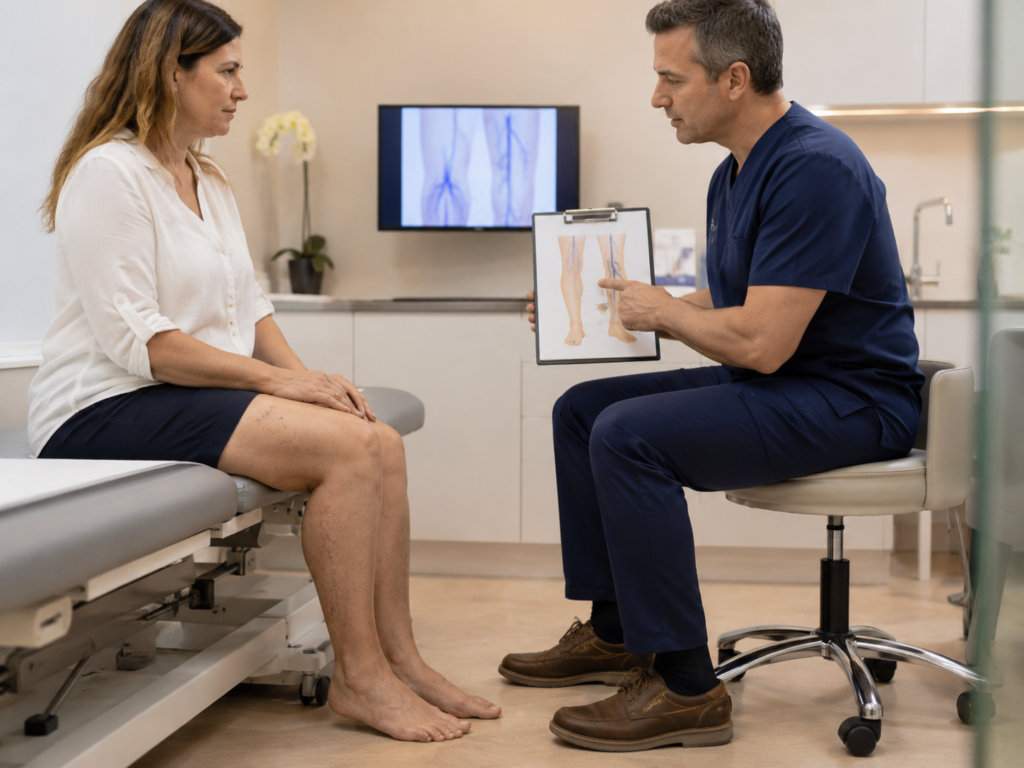
These symptoms involving the veins tend to adapt in such a sneaky way that the average individual without any back-handed knowledge can’t grasp when it’s too late. In fact, it gets to include the blue-shaded veins forming around the calf area.
One ankle looks a little fuller by evening. Shoes that felt fine at breakfast begin rubbing by dinner.
Then the pattern changes. Standing through a work shift feels harder. Sleep gets broken by cramps. A walk that used to feel easy is quietly cut short. For you see, the issue isn’t just about looks but about your health. In addition, it gets to begin shaping the day.
What Are Varicose Veins and What Causes Them?
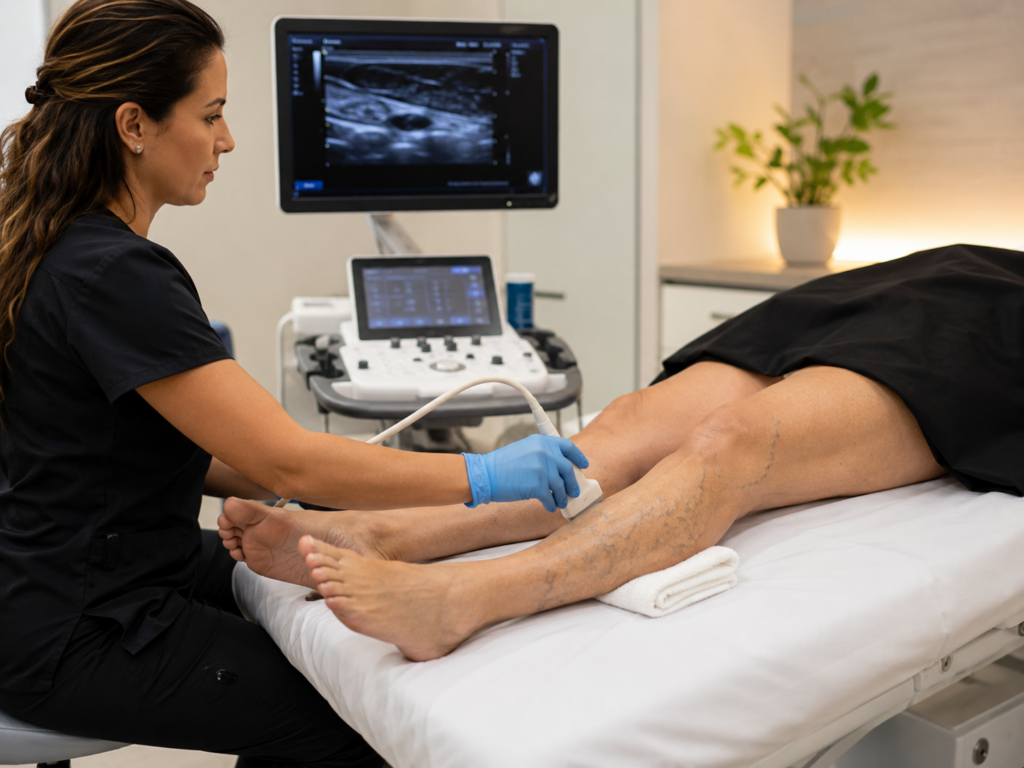
First off, the lower-body veins struggle against the weight of gravity in order to retain the blood back to the heart.
Moreover, small valves inside them stop it from falling backward. As those valves stop shutting well, some of the blood can stay stuffed in the lower leg area when it should be the other way around.
The vein stretches under that pressure and it may become raised, twisted or more visible through the skin over time.
Age may be an influencing element but there’s another one to focus on. Pregnancy can place extra pressure on the veins. Family history matters. Long hours on the feet can make symptoms worse. So, sitting through most of the day without getting up much.
The look of the vein can be misleading. A large one may cause little trouble. A smaller one may ache every afternoon.
How Varicose Veins Impact Physical Comfort and Daily Activities
It often shows up in small choices first. Someone working in retail may start leaning against the counter whenever there is a quiet minute. A teacher may sit for jobs that were once done standing. A parent may take the shortest route through the supermarket without really thinking about it.
The discomfort is not always sharp enough to stop someone in place. the fact is that there will be cases like dragging, pressure, tightness or a dull ache. The feeling often builds slowly through the day.
By late afternoon, socks can leave a deeper mark around the ankle. Shoes may feel cramped. The legs can seem tired before the rest of the body does.
Long drives, desk work and standing still can all bring symptoms. Some people feel better after walking because the calf muscles help move blood. Others notice relief after raising the legs.
After a time, the routine starts bending around the legs. Stairs are avoided. Evening exercise disappears. Plans are judged by how much standing will be involved. Simply put, one of them changes in one day and that is why it can be hard to notice.
The Emotional and Psychological Impact of Living With Varicose Veins
A person may stop wearing clothes they once liked. Shorts stay in the drawer. Swimming becomes something to think twice about. In photographs, the instinct may be to stand behind someone else.
That reaction is not trivial. Raised veins can affect confidence, especially when the skin begins to darken.
Cramps can make the next day feel longer. A constant ache can shorten patience. Worry can grow too, especially when someone is unsure whether a tender vein is harmless or needs attention. On top of that, with the right clear set of information and data, it aids in making more ideal steps before it becomes a more drastic situation.
Common Symptoms That Affect Day-to-Day Life
Symptoms often change drastically if you notice the morning to evening. For one thing, the legs may feel almost normal after waking, then become heavy or sore after several hours upright.
Common problems include:
- aching or throbbing in the legs
- swelling near the ankles
- burning or itching around a vein
- cramps during the night
- tenderness over a raised area
- restless or tired legs
- dry, irritated skin
- brown or darker skin near the ankle
- pressure after standing for a long time
Some people describe the leg as feeling full. Others notice that one shoe fits differently by evening.
Certain changes deserve closer attention.
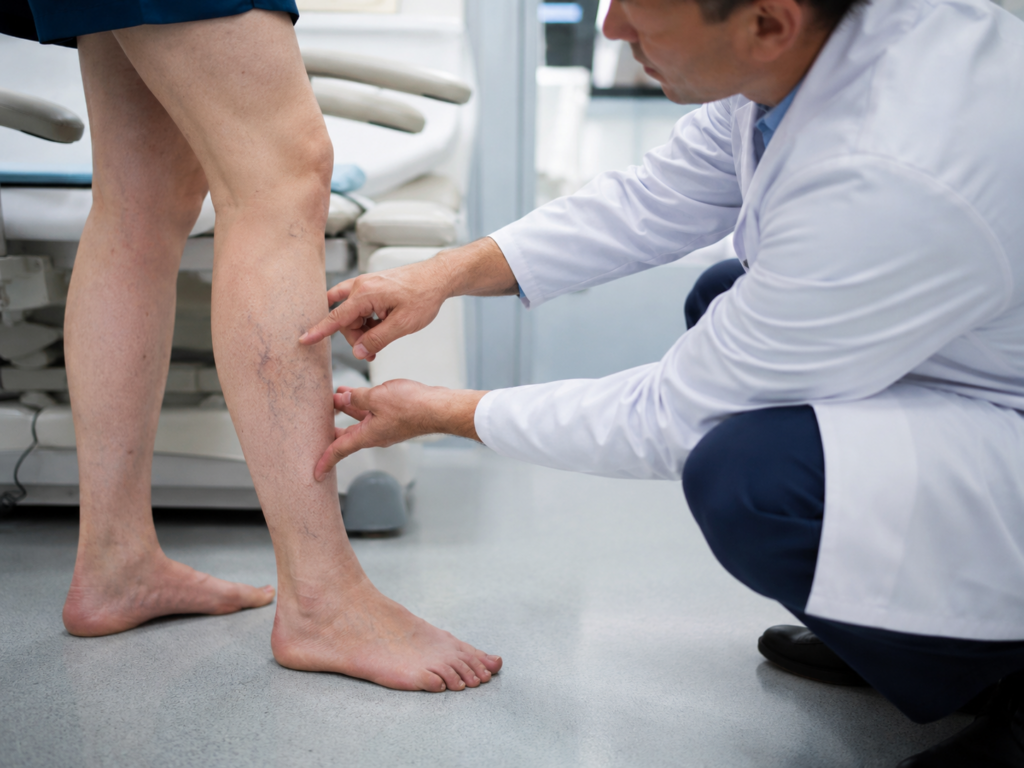
A sore near the ankle that does not heal should be checked. So should skin that becomes hard, hot or increasingly dark.
A red, sore vein may be inflamed near the skin. As well as how the sudden swelling in one leg is another matter.
Walking, leg elevation and proper compression may ease mild symptoms. Persistent swelling, aching or skin changes need a closer look. An assessment with vein specialists in Woodbridge can help identify where the problem starts and which treatment fits the situation.
Remember one thing that if you notice something odd, such as when you witness chest pain, trouble breathing or feeling faint, it’s an alarming red flag. In fact, you may require urgent medical help because a blood clot could be behind it.
Available Treatment Options for Varicose Veins
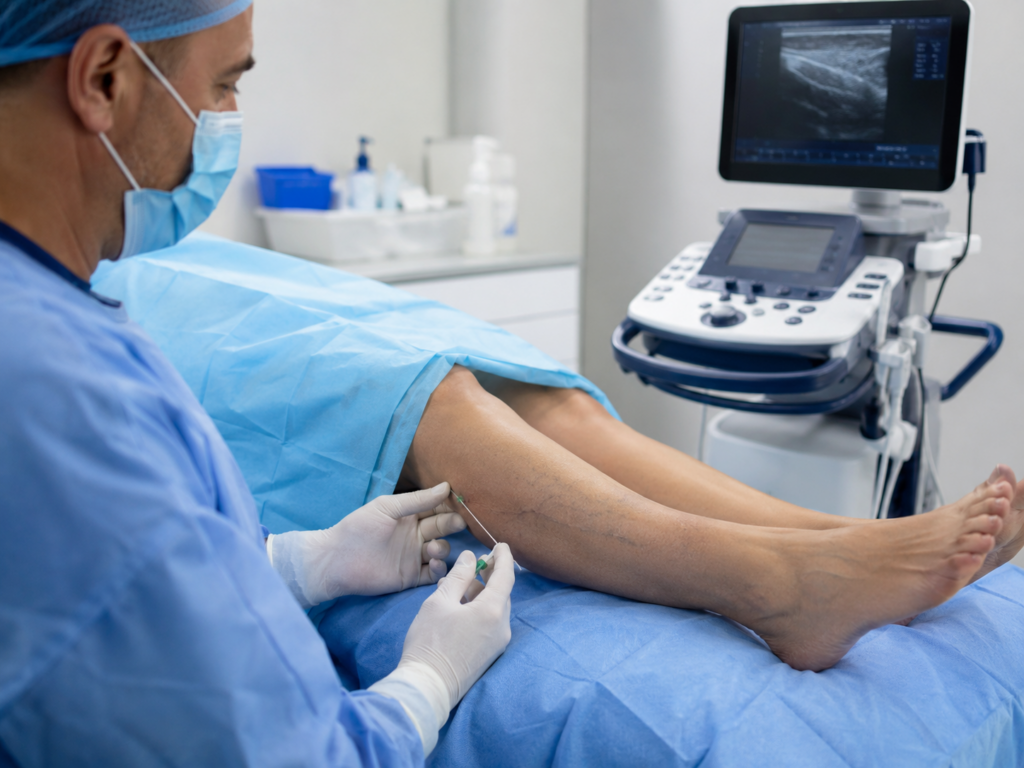
Treatment usually begins with an examination and that is through a duplex ultrasound. The scan shows how blood is moving through the veins. It can also reveal where a valve is leaking.
The most visible vein is not always the main source of pressure.
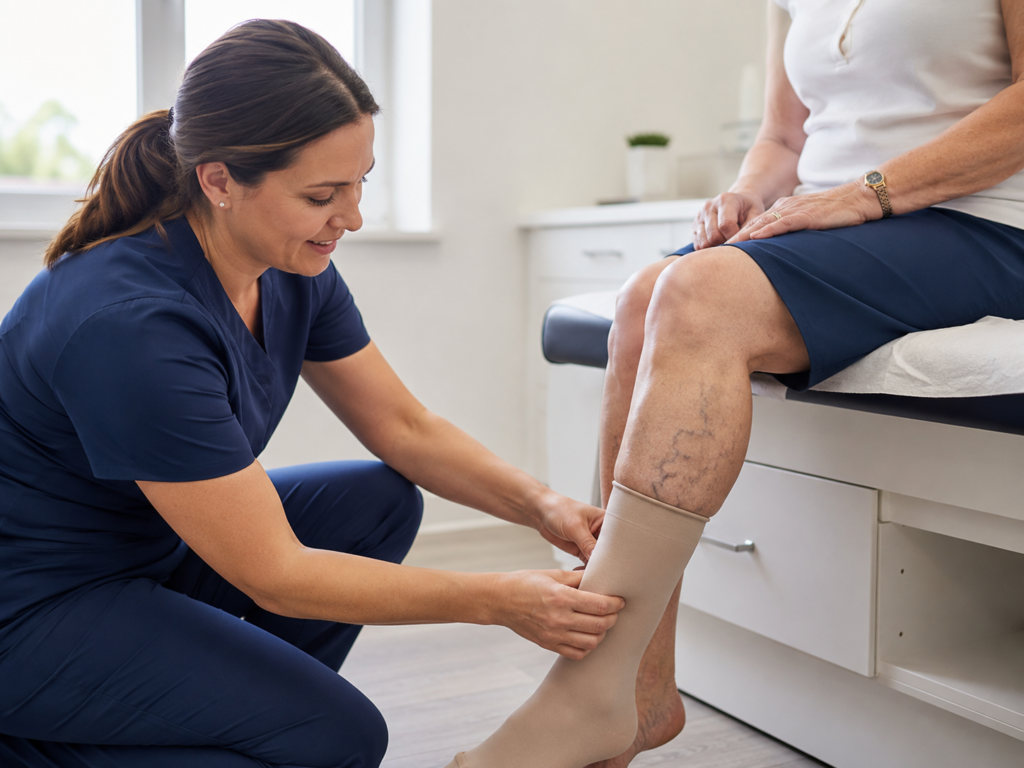
What’s more, those compression stockings are often used to reduce aching and swelling. In addition, they aid the leg from the outside, though they do not repair the faulty valve. Fit matters. A stocking that rolls down can dig into the skin by midday.
For many people, treatment is now done through small openings instead of large incisions. Endovenous ablation uses heat to close an unhealthy vein. Medical adhesive can seal selected veins without heat. Sclerotherapy uses a liquid or foam to close smaller veins. Raised surface veins may be removed through tiny punctures.
Once the problem vein is sealed, blood carries on through the healthier veins nearby. Most people are home again within a few hours.
Treatment should still match the person. Symptoms, scan results, overall health and daily concerns all matter. A vein causing skin changes may need a different approach from one that only aches now and then.
How to Manage Varicose Veins and Improve Quality of Life
Daily habits are not exactly a miracle cure for the varicose veins. However, they are decent in managing the weight from the lower body. For one thing, a short walk gets the calves working, while getting up regularly can help when the day involves hours of sitting or standing.
Other practical steps include:
- raising the legs for a short time in the evening
- flexing the ankles during travel
- avoiding long stretches in one position
- wearing comfortable shoes
- maintaining a healthy weight
- checking the skin around the ankles
- using compression stockings when advised
Skin care deserves attention. Dry skin can itch. Scratching may cause a small break, then that area can be slow to heal if circulation is poor.
On the whole, self-care only aids when there is a meagre case per the symptoms but are never an all-in-one solution in the long run if it’s more serious. In fact, as you wait for the pain to stop, the swelling and skin changes will signal a more alarming issue.
Conclusion
Varicose veins can quietly influence work, sleep, movement and confidence. A person may adapt for months before realising how much the condition has narrowed the day.
The aim is not simply to make the veins less visible. It is to help the legs feel better during ordinary life.