
The Bulgarian Split Squat: How to Do It Right
The Bulgarian Split Squat May Help You Live Longer
Can you just imagine that you are climbing stairs easily and without even a second thought, or chasing the grand-kids around the yard as you hit 70 – No hesitation. That is the kind of strength, which this move builds. The Bulgarian split squat stands out as a leading exercise for the lower body.
It hits your quads, glutes, and more, all while sharpening your balance.
This workout is not just for gym rats. It fights off the slow-downs that come with age, like weak joints or poor posture. You’ll learn how to nail the form step by step. We’ll cover what makes it special, the muscles it works, and why it’s key for staying spry as years pass. Have some tips to make it yours, no matter your fitness level.
What Is the Bulgarian Split Squat and Why Focus on It?
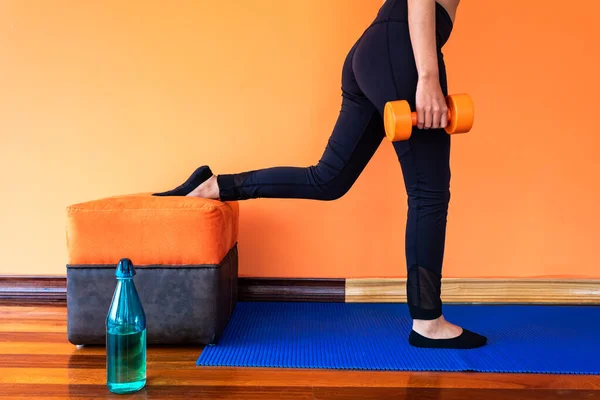
The Bulgarian split squat is a single-leg exercise that challenges your lower body in a smart way. It started from old-school weight-lifting tricks in Bulgaria, where coaches used it to build tough athletes. Think of it as a lunge with your back foot up on a bench. This set-up, forces each leg to pull its weight, fixing those imbalances that sneak up over time.
You might wonder why pick the Bulgarian Split Squat over regular squats? Here’s why? It cuts down on back strain since you’re not loading both legs at once. Plus, it’s easy to do at home with little gear. Folks from newbies to pros love it because it packs quite a punch in short sessions.
Anyone can give it a shot, but it’s gold for certain groups. Beginners build a base without fancy tools. Athletes boost power for sports, and older adults use it to keep moving freely. If you’re just starting, drop the back foot to the floor first. That eases you in.
Origins and Basic Mechanics of This Form
Coaches in Bulgaria pushed this move back in the 1970s to amp up Olympic lifters’ legs. To get the basics, stand facing away from a bench.
- Put your back foot’s toes on it.
- Step your front foot forward, about two feet out.
- Lower your hips until your front thigh is parallel to the ground.
- Push back up through your front heel.
- Keep your chest up no slouching.
Form beats heavy loads every time, therefore start light to feel the flow, and this way, you avoid tweaks while seeing real gains.
How It Differs from Traditional Squats
Regular squats work both legs together, like a team lift. The Bulgarian split squat splits the work, so one leg leads. That means less pressure on your spine and more focus on weak spots. You don’t need a barbell rack for this, as a sturdy chair works fine. It’s great if space is tight or you’re traveling. Over time, it evens out your strength, cutting injury odds.
Bilateral moves build raw power fast. But this unilateral one hones control, which pays off in daily life.
Who Should Try It?
New to workouts? This is your entry point to leg days, as it teaches balance without overwhelming you. Sports players, runners or cyclists, also gain from the single-leg push. It mimics game moves.
For those over 50, it’s a life-line, as it keeps hips loose and muscles firm. Modify the move by holding a wall if needed.
Step-by-Step Guide: How to Perform the Bulgarian Split Squat Properly
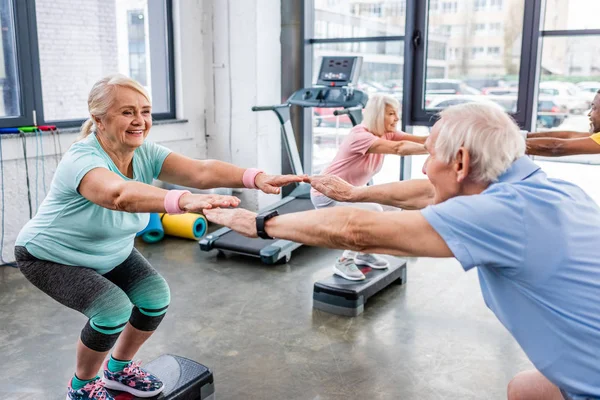
Getting the form down keeps you safe and amps results, as we break it down into chunks. Let’s master the Bulgarian split squat in no time.
- Warm up first with leg swings or light walks. Warm up with dynamic moves…
- That preps your joints.
- Aim for flat shoes to stay grounded.
- Do 3 sets of 8 to 12 reps per leg.
- Rest a minute between sides.
- Breathe out on the push up, in on the way down.
Essential Equipment and Setup
You need a bench or box, knee-high and stable, with No wobbles. Be sure to test it. Dumb-bells are optional for later.
- Clear a spot about 6 feet long.
- Face a mirror if you can, to check your stance.
- Warm up your hips and knees with circles.
- Five minutes tops.
This cuts soreness risk.
Breaking Down the Movement: Form Tips for Each Phase
- Start in position: Front foot flat, back laces on the bench. Torso tall, core tight.
- Descent: Bend your front knee, lower slow. Back knee hovers above ground.
- Front knee stays over toes – no caving in.
- Hold the bottom a beat. Feel the stretch in your hips.
- Then drive up through your front heel. Squeeze your glute at top.
Keep eyes forward. That helps balance. If it wobbles, shorten your stance.
Common Mistakes to Avoid
- Don’t lean too far forward. It strains your lower back. Pull your chest up instead.
- Watch the knee drift. Track it with your second toe. A band around knees can cue you.
- Even weight? Front foot bears most. Back is just for support. Film a set to spot issues. Adjust on the fly.
Muscles Worked and Immediate Fitness Benefits
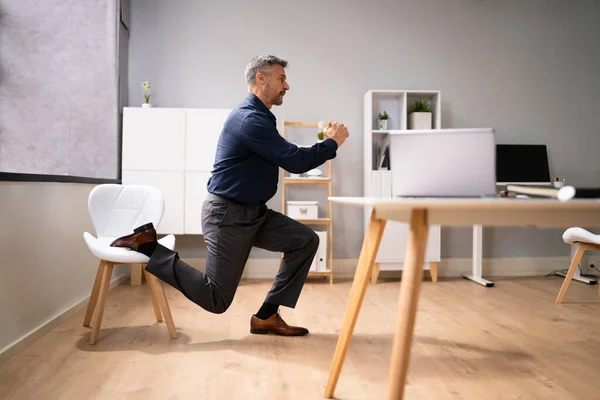
This exercise lights up your legs like few others. It targets big groups while sneaking in core work. You’ll feel stronger and steadier right away. Quads lead the charge, but glutes and ham-strings join in.
Even your calves pitch help. It’s a full lower-body party. Burn calories too – expect 200 to 300 per session. That aids fat drop if you’re consistent.
Primary and Secondary Muscle Groups Targeted
- Quads fire hard on the front thigh. Glutes power the hip extension. Hamstrings steady the back leg.
- Core kicks in to stop twists. Shoulders and back hold you upright. Stabilizers in ankles keep it all balanced.
- Build that posterior chain for better posture. No more slumps after desk days.
Short-Term Gains for Strength and Mobility
- After a week, balance improves. You step surer on uneven ground.
- Leg power jumps, great for hikes or sports. Add it to HIIT twice weekly for quick wins.
- Mobility flows better too. Tight hips loosen up. Pair with stretches for max effect.
Real-World Applications in Training Routines
- Slot it into leg days after squats. Or use in circuits for full-body burns.
- Athletes do it for agility drills. Think soccer players exploding off the line.
- Home workouts? Three rounds with push-ups make a solid 20-minute hit.
Why the Bulgarian Split Squat Boosts Longevity
Age hits hard if you’re not ready, so this is one move which builds the tools to fight and keep you moving easy into your golden years. Studies show unilateral work like this cuts fall risks by 30%. It preserves muscle, key since we lose 3-5% yearly after 30. Keep at it, stay vital.
Enhancing Functional Strength for Daily Life
It copies the steps and lunges that you practically do every day. Do you also have to climb stairs? No sweat. Build slowly while adding reps weekly. That holds muscle mass. Your rate of falling drop when balance grows. One study found seniors who trained this way stayed active longer.
Joint Health and Injury Prevention
Knees and hips get even load and this also builds tough tissues around them. Osteoarthritis odds dip with steady use. The act in balancing strength shields joints. You can still ask your medical profession if unsure.
Longevity Link: Building Resilience Against Age-Related Decline
Bone density holds firm with weight-bearing moves, and this is important as we age. The rate of metabolism stays revved, fighting weight gain, and if paired with walks or dance or similar you can get full perks.
Here you can also add mobility drills post routine, while keeping it fun.
Variations, and Expert Tips for Success
You should also level up to keep challenging your body, so it does not become monotonous. Keeping track maybe with an app will also show your progress. Be minded to still include your rest day.
Beginner to Advanced Progressions
- Bodyweight first. Master 10 reps clean.
- Add dumbbells next. Hold at sides, go heavier slow.
- Deficit style: Raise front foot on a plate. That deepens the stretch for pros.
Popular Variations for Variety
- Dumbbell version builds grip too. Goblet hold for core bonus.
- Barbell back load amps power. Use for strength days.
- Pistol squat mix: Drop the bench, go freestanding. Builds pure balance.
To Get Started In Your Squat
Mastering the Bulgarian split squat builds your lower-body strength in a big way. It also sets you up for a longer, active life with better balance and tough joints. Remember to have rest breaks between sessions and you can also do Foam roll after just to ease tightness, and cool down with child’s pose. Remember to listen to your body…