

Colorectal Screening In Your Fitness Journey

The Silent Guardian: Why Colorectal Screening is Essential for Lifelong Health?
Colorectal cancer strikes about 1 in 23 men and 1 in 25 women in the USA each year, and on a Global scale this cancer is ranked at the third most common, and also the second most leading cause of death by cancer. In perspective there are over 1.9 million new cases and in excess of 900,000 deaths annually as of 2022-2025. That’s a big number, and it often sneaks up without warning. Colorectal screening, like a colonoscopy or a simple stool test called FIT, checks your colon for problems early on.
These tools spot issues way before they turn serious, and early detection boosts survival rates to over 90%. You can’t ignore this – it is key to staying healthy long-term. Now, let’s see why screening matters so much and who should get it?
The Critical Importance of Colorectal Screening
Understanding Colorectal Cancer and Polyps
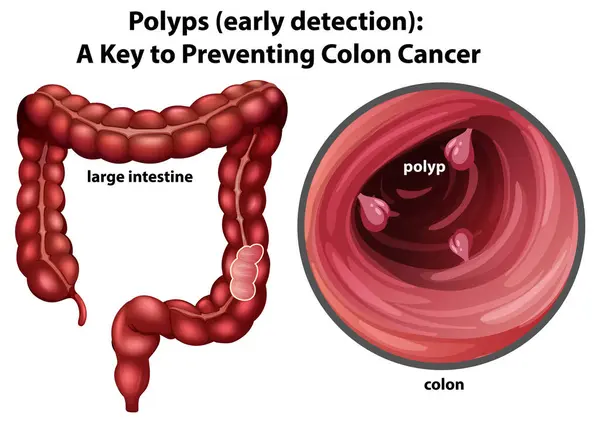
Your colon starts as normal tissue. Over time, small growths called polyps can form on its walls. Most polyps stay harmless, but some can grow into cancer if left alone. Screening finds these polyps early, and doctors can remove them during a colonoscopy, stopping cancer in its tracks. Think of it like catching a weed before it over-runs your garden.
Without checks, polyps hide and grow quietly, and its this silent process, that makes regular screening a smart move for your gut health.
Statistics Driving the Need for Screening
Several of the established Cancer Society Organisations, say that colorectal cancer is the third most common type diagnosed, and in 2026, experts expect over 150,000 new cases. Late-stage diagnosis drops the five-year survival to just 14%. However if you catch it early, then that rate of survival jumps to 90%. The National Cancer Institute backs this with data from millions of screenings. Therefore a quick look at these numbers, show the clear benefits of screening and it can save lives.
The Lifespan Benefit: Mortality Reduction Through Screening
Routine colorectal screening cuts the death risk by up to 60%, per health studies. Programs in places like Europe show even bigger drops in communities. This screening can extends your healthy years. When polyps get removed, you avoid surgery or chemo later. Screening isn’t just a test, it is a shield for your future. People who screen regularly live fuller lives.
The payoff shows in lower hospital stays and better quality time with family.
Determining Your Screening Timeline: Who Needs Screening and When?
Standard Guidelines for Average-Risk Individuals
For most folks with no big risks, they can start the colorectal screening at around age 45. Colonoscopy every 10 years works well for many. Persons can also try an annual stool test, such as that like FIT if you prefer less invasion. These catch blood or DNA signs of trouble. Talk to your doctor to pick the best fit.
High-Risk Factors Requiring Earlier or More Frequent Screening
Having a family history of colorectal cancer, might be highlight your need for checks from age 40. It is the same if a close relative had polyps or the disease young. Genetic issues like Lynch syndrome or FAP speed things up. Personal past with Inflammatory Bowel Disease (IBD) or having prior polyps, call for yearly looks. Smoke, obesity, or heavy drinking add to the risks as well. An early start to testing can help save your life if you fall within the high-risk grouping.
Screening for Special Populations and Age Considerations
Those with Crohn’s or ulcerative colitis face higher oddsas well. Start screening from age 40 or even sooner. African Americans and Alaska Natives should start at 45 due to higher rates. After 75, weigh the benefits with that of your health.
A positive Fecal Immunochemical Test (FIT), always leads to colonoscopy for a closer look. It confirms or rules out issues fast. Special groups gain big from tailored advice. Age brings bodily changes, but screening adapts. Stay informed to protect your colon.
Enhancing Colon Function Through Nutrition: The Top 3 Dietary Allies
Fiber Focus: The Power of Whole Grains and Legumes
Fiber sweeps your colon clean, binding toxins and easing bowel moves. It softens stool and speeds transit to cut cancer risks. Whole grains like oats and brown rice can also pack this punch.
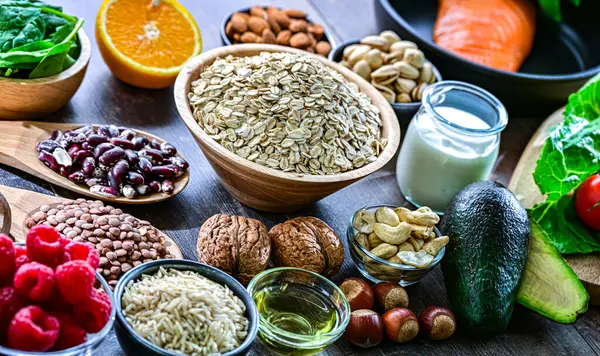
Legumes such as lentils and beans add bulk without hassle. You should aim for 25-30 grams daily. Start slow to dodge the gas – mix into soups or salads.
These foods keep things regular, and, your gut thanks you with smoother days.
- Try oatmeal for breakfast.
- Add chickpeas to lunches.
- Snack on barley crackers.
Cruciferous Vegetables: Compounds for Cellular Defense
Broccoli and its kin fight back with sulforaphane. This is a compound that boosts detox in cells. It may block cancer growth by fixing DNA damage. Cauliflower and cabbage also join the team. Steam or stir-fry them to keep nutrients potent. Eat a cup three times a week. Pair with meals for easy wins.
These veggies guard your colon like tiny soldiers. Fresh picks make it fun.
- Broccoli in stir-fries.
- Cabbage in slaws.
- Brussels sprouts roasted.
Hydration and Probiotics: Supporting the Gut Microbiome
Water teams up with fiber to push waste out fast. Without enough, you get backed up and your risk rises. Try to get about eight glasses a day. Pro-biotics from yogurt or kefir feed your good bacteria, balancing your gut. They crowd out the bad bugs that harm the colon. You can try a serving daily.
Together, they create a healthy home inside. Feel the difference in your digestion.
- Drink water between meals.
- Eat kefir smoothies.
- Add sauerkraut as a side.
Movement Matters: Top 3 Exercises for Improved Colonic Motility
Aerobic Activity: Increasing Your Transit Time

Brisk walks or jogs kickstart peristalsis, those waves that move food along. Just 30 minutes a day cuts constipation and aids detox. Your heart and colon both win.
Start with walks around the block. Build to cycling or swimming. Keeping it steady, not sprinting. Motion equals better flow. You will notice quicker bathroom trips.
Core Engagement: Twisting and Compression Movements
Seated twists squeeze your belly gently, massaging the colon. Yoga poses like cat-cow do the same. They boost blood flow and ease tension. Do five reps on each side daily. Breathe deep for max effect. No gym needed, just your body. These moves wake up your insides and just the simple twists bring big relief.
- Sit tall and turn right, hold.
- Switch sides slowly.
- Add knee hugs for extra press.
Consistency Over Intensity: Establishing a Daily Movement Routine
Short walks after meals, can beat one long gym session. They spark steady gut action all day. Try 10-minute bursts four times, in the day. Stand and stretch hourly if you are desk-bound. Dance to music or climb stairs. Daily motion trumps hard efforts. Your colon will thank you!
Taking Ownership of Your Colon Health Journey
Colorectal screening, stands as your best defense against this type of cancer, with early catches saving lives. Of course you pair it with fiber-rich foods, veggie power, and steady exercise for top colon function. Therefore your fitness and healthy lifestyle journey can help. These coupled with the tools, screening for detection, nutrition and movement for support, all help.
This combo makes colorectal health simple and effective. Polyps caught early vanish, your eating habits will keep risks low.