

Hidden Effects of Dehydration on the Body

Article by: Mehek Arslan
Water is more than a thirst quencher; it is essential for life. Each cell, tissue, and organ needs water to function properly. Yet, many people underestimate how vital hydration truly is. Dehydration occurs when your body loses more fluids than it takes in. While most people recognize the classic symptoms of thirst, dry mouth, or dark urine, dehydration can affect the body in far subtler ways.
Many people do not realize that even mild dehydration can impair physical and mental performance. Chronic low-level dehydration may quietly influence your energy, skin, and overall health. This article explores what dehydration is, its causes, hidden effects on the body, and effective strategies to stay hydrated.
What is Dehydration?
Dehydration occurs when your body loses more fluids than it takes in. This imbalance affects the body’s normal functions. You can become dehydrated through sweat, urine, or breathing. Even small losses of two to three percent of body water can impair performance.
There are three main types of dehydration:
- Mild dehydration: Slight thirst, dry mouth, or fatigue.
- Moderate dehydration: Dizziness, headache, and decreased urine output.
- Severe dehydration: Confusion, rapid heartbeat, in extreme cases, and organ failure.
Many people only notice dehydration when symptoms become severe. However, hidden effects may already be damaging your body without obvious signs.
What Does Water Do for Your Body?
Water is the body’s most vital nutrient. It makes up about 60% of adult body weight and is involved in almost every biological process.
- Maintains fluid balance: Water regulates blood volume, body temperature, and electrolyte balance.
- Supports digestion: Water helps break down food and absorb nutrients.
- Aids circulation: Proper hydration ensures oxygen and nutrients reach your cells efficiently.
- Flushes toxins: Your kidneys rely on water to remove waste through urine.
- Lubricates joints and tissues: Water prevents joint stiffness and protects organs from friction.
- Supports skin health: Hydration improves elasticity and prevents dryness or premature aging.
Without enough water, these processes falter, leading to hidden problems.
What Are the Symptoms of Dehydration?
Symptoms of dehydration may not always be obvious. Some of the common signs include:
- Persistent thirst
- Dark yellow urine
- Dry mouth and lips
- Fatigue and low energy
- Headaches and dizziness
However, dehydration can also cause less noticeable symptoms, such as:
- Poor concentration and brain fog
- Dry, flaky skin
- Muscle cramps or weakness
- Rapid heartbeat or low blood pressure
- Mood changes, irritability, and anxiety
These subtle symptoms often go unnoticed, yet they indicate that the body is struggling to perform normal functions.
What Causes Dehydration?
Dehydration occurs when fluid loss exceeds intake. Hot weather, exercise, illness, and certain medications can increase fluid loss. Common causes include:
- Excessive sweating: Vigorous exercise or high temperatures accelerate water loss.
- Illness: Vomiting, diarrhea, and fever deplete fluids rapidly.
- Dietary habits: High caffeine or alcohol intake can cause dehydration.
- Neglecting water intake: Many people drink too little daily.
- Medical conditions: Diabetes or kidney disease may increase dehydration risk.
Certain lifestyles, such as intense physical activity or outdoor work, require extra hydration. In mild cases of dehydration, energy levels can decrease, cognitive function can be impacted, and physical performance can be affected.
Hidden Effects on Physical Health

Dehydration does more than make you thirsty. Its effects can quietly affect your body, often without obvious signs. Here are six hidden ways dehydration impacts your physical health.
Impaired Cognitive Function
Mild dehydration can compromise focus, memory, or alertness. When your brain loses water, it shrinks slightly, affecting cognitive processes. You may feel mentally sluggish, struggle with decision-making, or find it harder to concentrate. Studies show that just a 2% drop in body water can impair thinking, mood, and reaction times.
Digestive Problems
Water aids in digestion by breaking down food and moving it through your digestive system. Low hydration slows digestion, leading to constipation, bloating, and discomfort. It also reduces saliva production, which affects the first step of digestion. Chronic dehydration can worsen acid reflux and increase the risk of stomach ulcers over time.
Muscle Cramps and Fatigue
Muscles rely on water and electrolytes to contract and relax properly. Dehydration disrupts this balance, leading to cramps, stiffness, and weakness. Fatigue also sets in more quickly during exercise or daily activities. Staying hydrated ensures your muscles perform at their best and recover faster after workouts.
Headaches and Migraines
Water loss reduces blood flow and oxygen delivery to the brain. This can trigger headaches or make migraines worse. Mild dehydration often causes tension headaches, while chronic dehydration may increase their frequency. Drinking water consistently can help prevent and relieve these painful episodes.
Kidney Strain and Stones
Your kidneys filter waste from the blood and regulate fluids. Without enough water, toxins build up, and urine becomes concentrated. This increases the risk of kidney stones, urinary tract infections, and even long-term kidney damage. Proper hydration supports your kidneys and keeps your urinary system healthy.
Dry Skin and Premature Aging
Water maintains skin elasticity and moisture. When dehydrated, your skin becomes dry, flaky, and more prone to wrinkles. Chronic dehydration can accelerate aging and reduce your natural glow. Drinking water and consuming water-rich foods help your skin stay supple and healthy.
How Much Water Should You Drink?
The amount of water each person needs depends on age, weight, activity level, and climate.
A common guideline suggests about 8 glasses, or 2 liters, per day, but individual needs vary. People who exercise regularly or live in hot, humid areas require more fluids. Illnesses like fever, diarrhea, or vomiting also increase water loss. Pregnant and breastfeeding women need extra hydration to support their health and their baby’s development. A useful method is calculating water by body weight: roughly 30–35 ml per kilogram. For example, someone weighing 70 kg would need around 2.1–2.5 liters daily. Water from foods, such as fruits, vegetables, and soups, also contributes to total fluid intake.
Best and Easiest Ways to Stay Hydrated
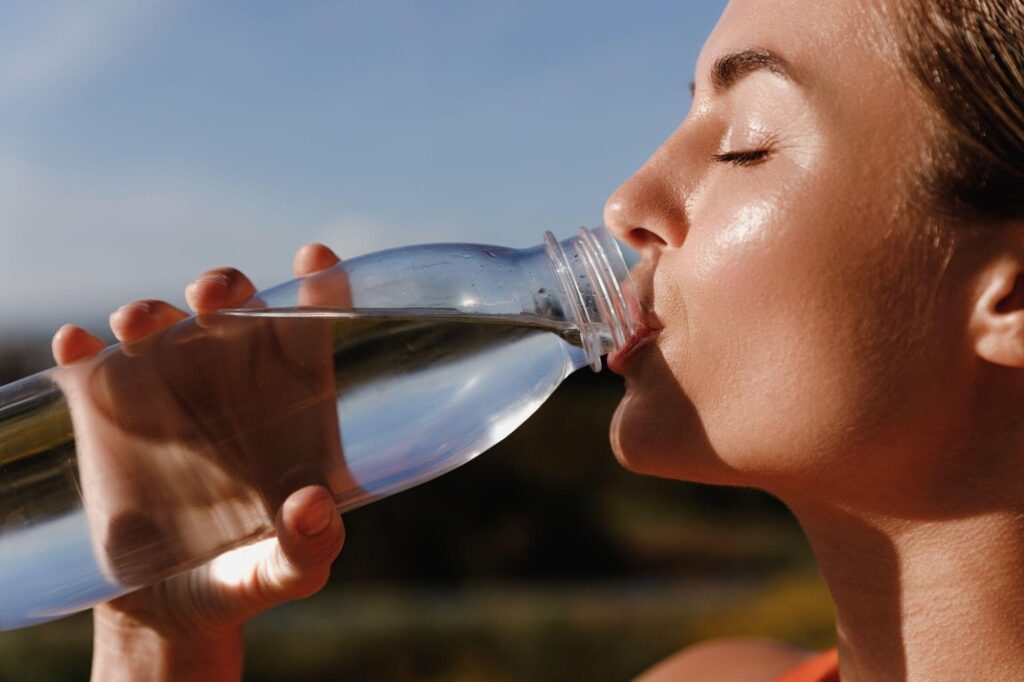
Staying hydrated doesn’t have to be complicated. Implementing simple habits ensures consistent fluid intake.
Drink Water Regularly
Keep a water bottle handy throughout the day. It’s better to take small sips than large gulps. This helps maintain steady hydration and prevents bloating.
IV Therapy
In extreme cases, IV therapy can rapidly restore hydration and electrolytes. A vitamin IV drip Dubai is especially useful after illness, intense exercise, or chronic dehydration. Always consult a medical professional before use.
Eat Water-Rich Foods
Fruits and vegetables like watermelon, cucumber, oranges, and celery provide hydration along with essential vitamins. They also aid digestion and improve energy levels.
Limit Dehydrating Beverages
Reduce caffeine and alcohol intake. These beverages increase water loss and can exacerbate dehydration. Swap with herbal teas, infused water, or coconut water.
Monitor Urine Color
Check your urine to gauge hydration. Pale yellow indicates proper hydration, while dark yellow signals fluid loss. Adjust water intake accordingly.
Conclusion
Dehydration is more than feeling thirsty. It silently affects your brain, organs, muscles, and skin. Even mild dehydration can reduce energy, impair focus, and accelerate aging. Recognizing subtle symptoms is essential for long-term health.
Simple habits like drinking water regularly, consuming hydrating foods, and monitoring fluid intake can prevent most cases. For rapid hydration or medical concerns, IV therapy offers an effective solution.
Staying hydrated is one of the easiest and most impactful ways to improve your health. Don’t wait until you feel thirsty; your body works best when properly hydrated.