

Remembering To Keep Your Skin Moist
The Recipe For Dry Skin Care
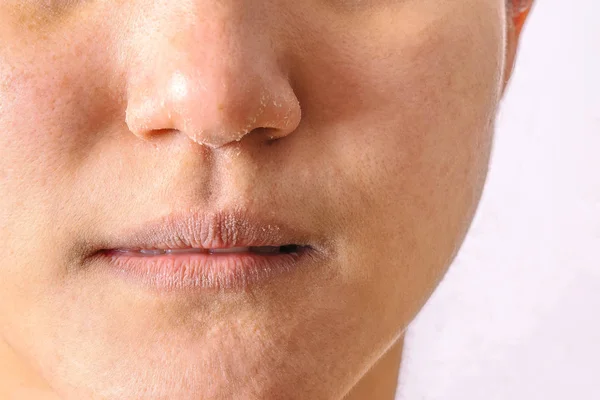
Dry skin cannot be ignored. Dry skin leads to cracking of the upper layer of skin and gives it a real bad appearance. The main causes of dry skin include: dry climate, hormonal changes, too much exfoliation and treatment of other skin disorders. Moreover, dryness could be the inherent nature of one’s skin. Whatever be the cause, ‘dry skin care’ is very important (but not very difficult).
‘Dry skin care’ starts with moisturisers, the most effective remedy for dry skin. Generally moisturisers are classified under two categories based on the way they provide ‘dry skin care’.
The first category includes moisturisers that provide ‘dry skin care’ just by preserving the moisture within the skin e.g. Vaseline. These moisturisers are relatively inexpensive and are readily available (even at grocery shops).
Choosing the Right Formula
The first step to effective moisturizing is selecting the right product for your skin type. Look for creams rather than lotions if your skin is super dry. Creams tend to have a thicker consistency and provide richer hydration. Also, check the ingredient list! Key ingredients like hyaluronic acid, glycerin, and natural oils (think shea butter or jojoba oil) can help lock in moisture and give your skin the nourishment it craves.
It’s a small change, but choosing the right formula can offer major benefits!
The second category includes moisturisers that work by drawing moisture from the environment and supplying it to the skin. This is a very effective way of ‘dry skin care’ in humid conditions. The moisturisers that provide ‘dry skin care’ in this way are also called humectants. For proper dry skin care, you must use a non-greasy type of moisturiser, as far as possible.
Timing is everything!
For maximum effectiveness, apply your moisturizer to damp skin right after washing your face or stepping out of the shower. This helps to seal in the moisture your skin absorbed. Take a pea-sized amount and gently massage it into your skin in upward, circular motions – this not only boosts circulation but makes your skincare routine feel extra indulgent. Trust us, your skin will thank you for this little post-cleanse ritual
Humectants fall in this category. The ingredients of humectants include propylene glycol, urea, glycerine, hyaluronic acid etc
‘Dry skin care’ is not about just using moisturisers but also using them properly.
The best ‘dry skin care procedure’ is to cleanse the skin before the application of moisturiser. You can make your ‘dry skin care’ even more effective by applying the moisturiser while the skin is still damp (after cleansing). Also, make sure that you use soap-free products (especially on your face, neck and arms).

Exfoliation does help in dry skin care, by removing the dead skin cells. However, don’t exfoliate too hard. Your dry skin care procedures/products should also take care of sun protection. Avoid too much and too direct exposure to sun (simply by using an umbrella/hat etc). Use a good sunscreen lotion before going out. A lot of moisturisers provide sun protection too, along with dry skin care.
You also have natural products for ‘dry skin care’ i.e. products that provide ‘dry skin care’ in a natural way (without the use of synthetic chemicals). These dry skin care products supply lipid enhancements to the skin, hence enabling moisture retention within the skin. Another, important thing for ‘dry skin care’ is the temperature of water you use for shower or for washing your face. Use warm water; too hot or too cold water can cause dryness too.
‘Dry skin care’ is also about being gentle with your skin. You should avoid harsh detergents and alcohol based cleansers. Also, after a face wash, do not rub your towel on your face, just pat gently to soak the water off.
Don’t Skip Sunscreen

Yes, even if you have dry skin, sunscreen is a must.
A broad-spectrum sunscreen with at least SPF 30 protects against harmful UV rays, which can worsen dryness and cause premature aging. Look for a moisturizer that combines hydration with sun protection for a 2-in-1 benefit.
That way, you’re not only keeping your skin moisturized but also shielded from damage.
Can Diet Help?
Now, let’s talk about the role of your diet in skin health. Believe it or not, what you eat can significantly affect your skin’s hydration levels.
Incorporate foods rich in omega-3 fatty acids, like salmon, walnuts, and flaxseeds, to help strengthen your skin barrier. Hydrating foods like cucumbers, watermelon, and leafy greens can also boost your moisture levels from the inside out. And, of course, drink plenty of water throughout the day! A well-rounded diet can complement your skincare routine, helping to keep that dry skin at bay.
On the whole, dry skin care is really simple for anyone who takes that seriously.
With these tips in hand, you’re ready to take on your dry skin with confidence! Choose the right moisturizer, apply it correctly, and pay attention to what you put into your body. Embrace these small yet effective changes, and you’ll be on your way to achieving that radiant, hydrated glow you deserve.