

Boost Your Mood With Supplements And Nutrient-Rich Foods
We’ve all had those days where we feel a little off, low on energy, foggy in our thinking, or just not quite ourselves. While lifestyle factors like sleep, stress, and exercise play big roles in how we feel, what we put into our bodies matters just as much. The food we eat and even the supplements we take can have a real impact on our mood and mental well-being.
With that in mind, let’s now look at how certain nutrients, such as B-complex vitamins and other mood-supporting foods, can help us feel our best, how often they need to be taken, and who benefits most.
The Brain and Food Connection
Your brain is a power-house that runs on nutrients. It needs vitamins, minerals, amino acids, and healthy fats to produce neurotransmitters, the brain chemicals that influence mood, motivation, and focus. Think of serotonin, dopamine, and GABA, as they are directly tied to how happy, calm, and energized we feel.
When your diet lacks certain nutrients, your body may struggle to make enough of these mood-regulating chemicals. That’s where nutrient-dense foods and targeted supplements come in.
Trying Some B-Complex Vitamins
B-complex vitamins, including B1 (thiamine), B2 (riboflavin), B3 (niacin), B5 (pantothenic acid), B6, B7 (biotin), B9 (folate), and B12, act as little mood helpers in your body. These B-vitamins are essential for turning food into energy, and supporting the nervous system.
- Vitamin B1 – Thiamine, help our body use carbohydrates, as well as to maintain proper nerve function.
- Vitamin B2 – Plays a role in energy production, blood circulation, growth, as well as in skin care
- Vitamin B3 – Enhances the conversion of fast, proteins and carbohydrates into energy, which can enhance mood
- Vitamin B5 – Supportive in the adrenal function and helping your body respond to stress a bit more effectively.
- Vitamin B6 – Enables the body to produce serotonin and dopamine, two neurotransmitters that regulate mood.
- Vitamin B7 – Good for energy metabolism and the synthesis of neurotransmitters, which are essential for mood regulation.
- Vitamin B9 – (folate) and B12 work together to lower homocysteine levels, which can be linked to depression and fatigue when elevated.
How Often Should You Take Them?
If your diet includes a variety of whole grains, leafy greens, eggs, dairy, and lean meats, you may already be getting enough. However, for those with dietary restrictions such as vegans, vegetarians, or people under chronic stress, a daily B-complex supplement can help fill the gaps.
Always check with your healthcare provider first, as some B vitamins, especially B12, are better absorbed in specific forms or dosages.
Additional Mood-Boosting Nutrients
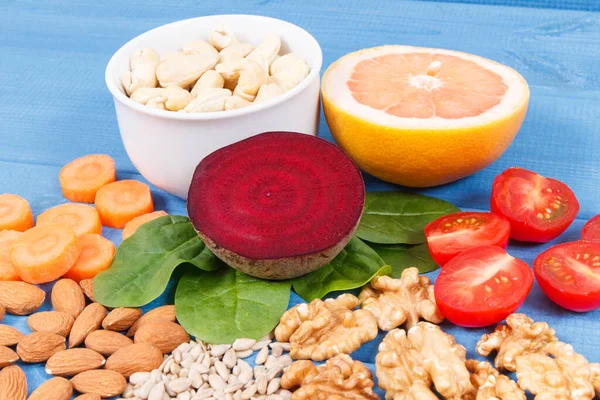
B vitamins aren’t the only mood-supporting nutrients out there. Here are a few others that play key roles in brain function and emotional balance:
• Omega-3 Fatty Acids: Found in salmon, mackerel, flaxseeds, and walnuts, omega-3s are critical for brain health. Studies show that people who consume more omega-3s tend to have lower rates of depression.
• Magnesium: Known as the calming mineral, magnesium helps regulate the nervous system and reduce anxiety. Dark chocolate, almonds, avocados, and spinach are all great sources.
• Vitamin D: Sometimes called the sunshine vitamin, low levels of vitamin D have been linked to seasonal depression and fatigue. You can get it from sunlight, fortified dairy, or a supplement, especially during winter months.
• Zinc and Iron: Both minerals are vital for energy production and cognitive function. Deficiencies can lead to brain fog, low motivation, and mood swings.
Foods That Support a Happy Mind
Supplements can help, but food is still your body’s preferred source of nutrients. A balanced, nutrient-dense diet supports your mental health naturally. Here are some top picks for a happier brain:
• Leafy greens like kale, spinach, and Swiss chard are packed with folate, magnesium, and antioxidants.
• Whole grains such as oats, quinoa, and brown rice are great sources of B vitamins and fiber that keep energy steady.
• Fatty fish like salmon and sardines are loaded with omega-3s that improve mood and reduce inflammation.
• Nuts and seeds, especially walnuts, flaxseeds, and pumpkin seeds, provide magnesium and healthy fats.
• Fermented foods like yogurt, kefir, and kimchi promote gut health, which has a direct connection to mental health through the gut-brain axis.
Eating these foods regularly, ideally daily, can keep your brain fueled and your mood more stable.
Do They Really Work?

Research shows that nutrient deficiencies are often linked to mood disorders like depression and anxiety. While supplements aren’t a cure-all, they can make a noticeable difference when used alongside a healthy lifestyle.
For instance, studies have found that supplementing with B-complex vitamins can reduce stress and improve overall mood in people under chronic pressure. Likewise, Omega-3s and Vitamin D have strong evidence supporting their benefits for emotional well-being.
The key is consistency, as you are unlikely to experience a mood boost overnight. However, after a few weeks of steady intake, many people experience a significant increase in energy, focus, and calmness.
Who Should Consider Taking Them?
• People with restricted diets, such as vegans or vegetarians, may need B12 and omega-3 supplements.
• Older adults often absorb nutrients less efficiently and may benefit from B-complex, vitamin D, and magnesium.
• Those under chronic stress may deplete B vitamins faster and can benefit from daily supplementation.
• Anyone with limited sun exposure should consider a vitamin D supplement.
As always, talk to your health-care provider before starting new supplements, especially if you take medications or have health conditions.
Here We Go!
Your mood isn’t just about emotions but also about nutrition. Supplements like B-complex vitamins, magnesium, and omega-3s, combined with a diet full of leafy greens, whole grains, and healthy fats, can help you feel more balanced and resilient.
While they’re not magic pills, they’re powerful tools that, when paired with good sleep, regular movement, and stress management, can truly support a happier, healthier you.








1 thought on “Boost Your Mood With Supplements And Nutrient-Rich Foods”
Comments are closed.