

The Japanese Walking Method – Trend
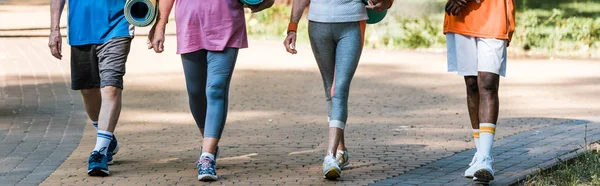
Who Should Try Japanese Walking?
This method may suit adults who:
- Already walk regularly and want to increase the intensity of their workouts.
- Prefer walking to running or other high-impact activities.
- Want a structured routine that requires minimal equipment.
- Are interested in improving aerobic fitness and maintaining leg function.
- Enjoy measurable goals and a repeatable exercise schedule.
Beginners can also work towards this method, provided they progress at a suitable pace.
If you have been inactive for a long time, have a chronic health condition or are unsure whether vigorous walking is appropriate for you, consult a qualified healthcare professional before starting. Stop exercising if you experience chest pain, dizziness, unusual breathlessness or other concerning symptoms, and seek appropriate medical attention.
So What Is This Walking Method?
The Japanese walking method or plan is one which is also known as 3-3 walking or as Interval Walking Training. This is where as you walk you alternate between brisk and intensive walking movement for about 3 minutes and then this is followed by slow recovery walking, or a more relaxed movement.
These two blocks of walking are alternated between each other for just around 30 minutes in your session. It is also recommended that there be around 4 sessions weekly. Additionally to make it effective – be sure to warm up before getting going like in any other workout routine and to cool down your body when completed.
Benefits of this Include
Key Health Benefits: Based on the 2007 initial study and research this form of exercise, has been found to enhance your cardiovascular fitness. As such your heart rate improves its capacity when doing this exercise. There is also the steady and continuous pace of improvement and efficiency of the heart and its pumping.
Added to this is that the blood pressure is seen to be lowered, particularly for those who are prone to high-blood pressure. There has been seen to be significant reductions in the systolic blood pressure, when doing the Japanese Walking Method as compared to just a steady-pace walking form.
Naturally as you have to walk briskly for 3 minutes and then ease a bit with lesser intensity after that interval, then there is also seen to be an improvement in leg strenght and also leg flexibility. The strength in your thigh, kneee extension and joint flexion are all enhanced. This also means that you fight age-related physical decline.
Start Your Simple 4 – Week Japanese Walking Plan

The following is a beginner-friendly progression towards the standard routine. This is a practical starting template, not a programme that has been individually validated for every fitness level. However you can share with us what works for you when you tried this method.
Week 1: Build The Habit
Walk comfortably for 15–20 minutes, on three or four days. If you feel ready and already walk regularly, include two or three gentle fast-and-slow cycles.
Week 2: Introduce Some Intervals
Aim for three cycles of three minutes brisk and three minutes easy, on three or four days, provided you recover comfortably.
Week 3: Increasing The Workload
Progress towards four cycles per session. Maintain a controlled brisk pace rather than trying to walk as fast as possible. Remember you aren’t competing against anyone but yourself.
Week 4: Work Towards A Standard Session
If the previous weeks have felt manageable, aim for five cycles, of 30 minutes of alternating brisk and easy walking, on four days per week.
If any stage feels too difficult, repeat that week or reduce the number of intervals. There is no need to progress according to a strict deadline, only towards your own target.
Tips to Get the Most Out of Your Walk
- Prioritise good technique. Stand tall, look ahead, keep your shoulders relaxed and swing your arms naturally.
- Use the talk test. Let your breathing and ability to speak, guide your intensity rather than chasing someone else’s speed.
- Choose safe conditions. Avoid slippery paths, heavy traffic and routes where frequent obstacles interrupt your rhythm.
- Stay hydrated. Drink water as appropriate for the weather, duration and your individual needs.
- Allow recovery. If your legs feel unusually tired or sore, reduce the intensity or take an easier day.
- Track progress sensibly. Record your sessions, perceived effort and how quickly you recover. A fitness watch is optional.
- Keep the bigger picture in mind. Combine walking with balanced nutrition, adequate sleep, everyday movement and strength training when appropriate.
Final Verdict: Is Japanese Walking Worth Trying?
For many people, Japanese walking offers a sensible way to make a daily walk more purposeful. Its appeal lies in its simplicity, where you have three minutes brisk, three minutes easy, repeated in a structured session. Also an easy way to start your fitness plan.

The research provides encouraging evidence for improvements in aerobic fitness and leg strength, with some studies also reporting benefits for blood pressure and metabolic health. Nevertheless, the results vary, and the method is not a shortcut to weight loss or a replacement for every other form of exercise.
Perhaps its greatest advantage is that it makes structured exercise feel achievable. You can begin at your current level, progress gradually and complete a meaningful workout without expensive equipment or complicated routines. Be sure to have proper shoes to support your walking.
The bottom line: You do not need to walk perfectly, walk the fastest or hit a particular step count. Start where you are, challenge yourself appropriately and keep showing up. Over time, that consistency can be more valuable than chasing the latest fitness trend.