

Carbon-Plated Running Shoes
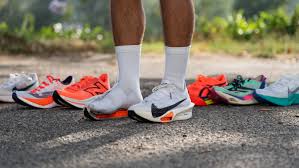
The Technology Changing the Running World
Over the past few years, carbon-plated running shoes have transformed from an elite racing secret into one of the biggest trends in the fitness and running industry. Whether you’re watching professional marathon runners break records or browsing your local running store, chances are you’ve heard the buzz surrounding these high-tech shoes.
What exactly are carbon-plated running shoes, and are they worth the hype?
What Are Carbon-Plated Running Shoes?

Carbon-plated running shoes are designed with a thin carbon fiber plate embedded within the midsole foam. This fiber-plate, works alongside highly responsive cushioning materials to create a spring-like effect. It is that effect that helps propel runners forward with each stride.
The concept isn’t entirely new. Advancements in foam technology and shoe engineering have made modern carbon-plated shoes significantly more effective than previous generations. Brands now offer carbon-plated models for racing, training, and even everyday running, making the technology accessible to runners of all ability levels.
Why Are They So Popular?

The popularity of carbon-plated shoes exploded after elite athletes wearing them began posting remarkable race performances and breaking long-standing records. Scientific studies have suggested, that these shoes can improve running economy. In other words it just means that runners now use less energy to maintain the same pace.
In simple terms, runners can often run faster or longer while feeling slightly less fatigued. For competitive athletes chasing personal bests, even a small efficiency gain can make a significant difference over long distances.
Social media has also played a major role in the trend. Fitness influencers, running coaches, and everyday runners frequently share their experiences with carbon-plated footwear, creating excitement and curiosity among the broader running community.
How Carbon-Plated Shoes Help Your Fitness Journey
While carbon-plated shoes are often associated with racing, they can also play a valuable role in an average runner or even a beginner’s overall fitness journey. Some of these benefits include:
Improved Running Efficiency
The combination of lightweight materials, responsive foam, and the carbon plate helps reduce energy loss during each stride. This can make running feel smoother and more efficient, especially during longer workouts.
Enhanced Performance

Many runners notice improvements in pace and endurance when wearing carbon-plated shoes.
The added propulsion can help maintain speed with less perceived effort, making hard workouts and race days more productive.
Reduced Muscle Fatigue
The advanced cushioning found in most carbon-plated shoes helps absorb impact forces. Some runners report feeling less soreness after long runs compared to traditional racing flats or minimalist footwear.
Increased Motivation
New equipment doesn’t automatically make someone fitter, but it can provide a psychological boost. Many runners feel more confident and motivated when training with cutting-edge gear, which can contribute to greater consistency and enjoyment.
The Pros of Carbon-Plated Running Shoes
1. Faster Running Times
The primary advantage is improved speed and efficiency. Many runners experience measurable performance gains, particularly in races ranging from 5K to marathon distances.
2. Excellent Energy Return
Modern midsole foams paired with carbon plates provide exceptional responsiveness, helping runners feel more energetic throughout a workout or race.
3. Lightweight Construction
Most carbon-plated models are surprisingly light despite their substantial cushioning, helping reduce the overall effort required to run at faster paces.
4. Better Long-Distance Comfort
The thick cushioning often found in these shoes can improve comfort during extended runs, making marathon training and endurance events more manageable.
The Cons of Carbon-Plated Running Shoes
1. High Cost
One of the biggest drawbacks is price. Carbon-plated shoes often cost significantly more than traditional running shoes, placing them beyond the budget of many recreational runners.
2. Limited Durability
Many models are designed primarily for racing performance rather than long-term durability. The premium foam materials can lose their responsiveness over time, especially with heavy use.
3. Not Ideal for Every Run
Carbon-plated shoes are often best suited for races, tempo runs, and speed workouts. Using them for every training session may not be necessary and could potentially alter natural running mechanics.
4. Adjustment Period
Some runners require time to adapt to the unique feel of a carbon-plated shoe. The rocker shape and rigid plate can feel unusual at first, particularly for those accustomed to traditional trainers.
Are They Right for Everyone?

Not necessarily. Competitive runners seeking performance gains may benefit the most from carbon-plated technology. However, recreational runners can also enjoy the comfort, cushioning, and efficiency these shoes provide.
It’s important to remember that no shoe can replace consistent training, proper recovery, strength work, and good nutrition. Carbon-plated shoes are best viewed as a tool that complements a well-rounded fitness plan rather than a shortcut to success.
The Future of Running Footwear
Carbon-plated shoes have already reshaped the running industry and continue to influence footwear design across all categories. What started as a niche innovation for elite athletes has evolved into a mainstream product embraced by runners worldwide.
As technology advances, manufacturers are developing more affordable, durable, and versatile versions that cater to a wider range of runners. The trend shows no signs of slowing down.
Ultimately, the “big deal” about carbon-plated running shoes comes down to one thing: they help runners move more efficiently. For some, that means chasing podium finishes and personal records. For others, it simply means enjoying their runs a little more and feeling stronger along the way.

Either way, carbon-plated shoes have earned their place as one of the most significant innovations in modern running.