

Being Aware Of Fibermaxxing

Fibermaxxing: When Healthy Eating Goes Too Far
In today’s space – Fiber is having its moment. We go from high-fiber cereals and protein bars to those low-net-carb breads and “gut-friendly” snacks. Fibermaxxing is the practice of deliberately pushing fiber intake higher and higher and now has become a popular nutrition trend. Of course there’s good reason to pay attention to fiber. It supports regular bowel movements, helps with fullness, and is an important part of a balanced diet. When it comes to nutrition however, more isn’t automatically better.
So how do you know when your high-fiber diet has crossed the line from helpful to uncomfortable?
What Is Fibermaxxing?

Fibermaxxing generally refers to intentionally consuming very large amounts of dietary fiber. This is often done in pursuit of better digestion, greater fullness, improved blood-sugar control, or weight-management goals. What’s the catch? It’s surprisingly easy to consume a lot more fiber than you even realize.
A breakfast cereal, high-fiber wrap, protein bar, fruit, vegetables, beans and a fiber supplement can quickly add up. Some low-net-carb products are particularly deceptive because manufacturers may add substantial amounts of isolated or modified fibers while keeping the listed “net carbs” low.
For someone eating several of these products throughout the day, the fiber intake can climb rapidly.
Some Signs That You’re Eating Too Much Fiber
Your digestive system is often the first place you’ll notice.
1. You’re Constantly Bloated – Feeling excessively full or distended after meals can be a sign that your gut isn’t enjoying the sudden increase in fiber. Certain fibers are fermented by gut bacteria, producing gas as a normal part of the process. A large increase in these fibers can therefore mean significantly more bloating.
2. You’re Passing More Gas – Some gas is completely normal. But if you’re suddenly dealing with frequent or uncomfortable flatulence, take a look at how quickly you’ve increased your fiber intake. Beans, lentils, certain fruits and vegetables, and products containing added fibers can all contribute.

3. Your Stomach Is Cramping – Abdominal discomfort or cramping can occur when you’re consuming more fiber than your digestive system is accustomed to handling. This is particularly common when someone goes from a relatively low-fiber diet to a very high-fiber diet almost overnight.
4. Your Bowel Habits Have Changed – More fiber doesn’t always mean better bowel movements. Too much fiber -particularly when paired with inadequate fluid intake—can contribute to constipation in some people. Others may experience loose stools or diarrhea, depending on the type and amount of fiber they’re consuming. Your bathroom habits are useful feedback. If they’re noticeably worse since you started aggressively increasing fiber, your intake may need adjusting.
5. You’re So Full That You’re Struggling to Eat Enough – Fiber is filling, which can be useful. But excessive fullness can become counterproductive, particularly for active people who need enough calories and carbohydrates to support training and recovery. If you’re routinely too stuffed to finish meals, your high-fiber strategy may be crowding out other important nutrients.
The Problem With “Net Carb” Products
One reason fibermaxxing can sneak up on people is the popularity of low-net-carb foods.
A product may advertise itself as low in net carbohydrates while containing a significant amount of fiber or added fiber ingredients. Eat several servings across the day and the total can become substantial. That doesn’t necessarily make these products “bad.” It simply means that fiber still counts when you’re considering how your digestive system is responding.
A protein bar with added fiber might work perfectly well for one person, But! It may cause significant bloating for another.
How Much Fiber Do You Actually Need?

There isn’t a single ideal number for everyone.
For most adults, general dietary guidance falls around 25 – 38 grams of fiber per day, depending on factors such as your age and sex. Individual needs and tolerance can vary.
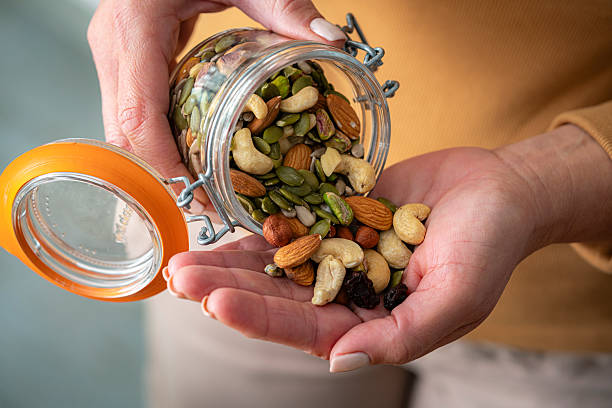
The bigger takeaway is that you don’t need to chase an enormous number, simply because a nutrition trend says that more is better. If you’re already eating a varied diet containing vegetables, fruits, whole grains, beans, lentils, nuts and seeds, then you may be already getting plenty of fiber.
How to Increase Fiber Without Overdoing It
If you’re trying to improve your diet, think in terms of gradual – and not extreme.
- Increase Fiber Slowly. Give your digestive system time to adapt to the increase.
- Drink Enough Fluids. Fiber and hydration work together, particularly when increasing fiber intake.
- Prioritize Whole Foods. Don’t rely exclusively on bars, cereals, wraps and supplements to hit a fiber target.
- Vary Your Sources. Include fruits, vegetables, whole grains, beans, lentils, nuts and seeds rather than getting huge amounts from one or two foods.
- Pay Attention To Your Body. Persistent bloating, cramping, constipation or diarrhea is useful feedback.
- Don’t Sacrifice Overall Nutrition. Fiber should complement adequate protein, carbohydrates, fats and total calories -not replace them.
Here’s The Bottom Line
Yes. Fiber is an important part of a healthy diet, but fibermaxxing isn’t a competition.
If increasing fiber leaves you feeling energized, regular and satisfied, then yes you’re likely moving in a direction that works for you. If on the other perspective you are constantly bloated, gassy, uncomfortable or struggling to eat enough, pushing your fiber intake even higher probably is NOT the answer.
Instead of asking, “How much fiber can I possibly eat?” ask a better question: “What’s an amount that supports my health, digestion and training without making me feel worse?” For most people, a balanced, varied diet – and a gradual approach to increasing fiber, is a much more sustainable strategy than chasing the biggest number possible.